
Editor’s Note: This guide is for informational purposes only and does not constitute financial or insurance advice. InsureFrom.com is dedicated to providing unbiased comparisons to help you navigate policy options. Please consult a licensed insurance advisor to determine the right coverage for your specific needs.
Table of Contents
Why Most People Get Insurance Wrong (And How to Fix It)
Most people treat insurance like a chore—something they buy quickly online just to check a legal box or satisfy a lender. But when a medical emergency, a car accident, or a property loss happens, the fine print dictates whether you walk away financially stable or drowning in out-of-pocket costs.
Navigating the insurance market shouldn’t require a law degree. Below, we break down the core types of insurance based on real-world financial risk, helping you filter out what is necessary from what is just expensive padding.
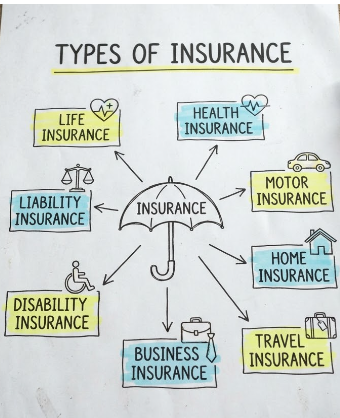
Quick Comparison: Types of Insurance at a Glance
| Insurance Category | Primary Purpose | Who Needs It Most? |
| 1. Life Insurance | Income replacement for dependents | Anyone with a family, children, or shared debts |
| 2. Health Insurance | Coverage for medical bills and hospitalization | Everyone (medical emergencies affect all ages) |
| 3. Motor Insurance | Protection against vehicle damage and third-party liability | Car, bike, or commercial vehicle owners |
| 4. Home Insurance | Protecting property and structural assets | Homeowners, landlords, and renters |
| 5. Travel Insurance | Emergency medical and trip cancellation cover | Frequent flyers, vacationers, and students abroad |
| 6. Business Insurance | Protecting companies from lawsuits, property loss, and liability | Business owners and independent professionals |
| 7. Disability Insurance | Replacing income during a long-term medical leave | Working professionals without substantial savings |
| 8. Liability Insurance | Legal defense and damage coverage if held responsible for harm | Professionals, business owners, and property owners |
1. Life Insurance: Replacing Income, Not Just Stating a Payout
At its core, life insurance is frequently misunderstood. Many buyers look at it as an investment vehicle when it is fundamentally income replacement. If your household depends on your paycheck to cover groceries, school fees, or a home loan, life insurance ensures those financial obligations are met if the unexpected happens.
- Term Life Insurance: Pure protection for a set window (e.g., 10, 20, or 30 years) at an affordable premium. It offers the highest payout for the lowest monthly cost, with no maturity benefit if you outlive the term.
- Whole Life Insurance / Endowment Plans: Lifetime coverage that builds cash value or pays out a lump sum on death or maturity. Expert tip: Only choose these if you have maxed out traditional retirement accounts and need estate-planning tools, as the fees are significantly higher.
- Unit Linked Insurance Plans (ULIPs): Offer both life cover and market-linked investment returns.
Who truly needs it: Anyone with financial dependents (spouse, children, aging parents) or shared debts where an untimely death would cause immediate hardship.
2. Health Insurance: Shielding Your Savings from Medical Inflation
Health insurance covers medical expenses arising from illness, surgery, injury, or hospitalization. With healthcare costs rising every year, a single major medical event can wipe out years of hard-earned savings without adequate coverage.
- Individual & Family Floater Plans: Covers a single person or the entire family under one collective sum insured.
- Critical Illness Insurance: Pays a lump sum on diagnosis of specified serious illnesses like cancer, heart attack, or kidney failure.
- Group & Senior Citizen Health Plans: Employer-provided plans or tailored coverage designed for older individuals with age-specific medical needs.
Who truly needs it: Everyone. Medical emergencies do not discriminate by age, fitness level, or lifestyle.
3. Motor/Auto Insurance: Legal Mandate & Financial Protection
Motor insurance protects vehicle owners against financial losses from accidents, theft, or damage, while covering third-party liabilities if your vehicle causes injury or property damage to others.
- Third-Party Insurance: Mandatory by law in most regions; covers damages or injuries caused to another person or their property.
- Comprehensive Insurance: Covers third-party liability plus damage to your own vehicle from accidents, fire, theft, and natural disasters.
- Own Damage Cover: Protects only your vehicle, usually bought alongside third-party cover.
Who needs it: Anyone who owns a car, bike, or commercial vehicle.
4. Home/Property Insurance: Guarding Your Biggest Asset
For most people, a home is their most valuable physical asset, making property insurance essential against risks like fire, theft, natural disasters, and structural damage.
- Structure & Contents Insurance: Structure insurance covers the physical building, while contents insurance covers belongings inside like furniture, electronics, and valuables.
- Tenant/Renter’s Insurance: Protects a tenant’s personal belongings, even though they do not own the underlying property.
Who needs it: Homeowners, landlords, and renters alike.
5. Travel Insurance: Eliminating Trip Anxieties
Travel insurance covers unexpected disruptions during domestic or international journeys, such as emergency medical treatment abroad, trip cancellations, lost baggage, or severe flight delays.
- Single-Trip vs. Multi-Trip/Annual Insurance: Single-trip covers one journey, while multi-trip covers frequent travelers throughout the year.
- Student & Senior Citizen Travel Plans: Specialized options designed for students studying abroad or older travelers with specific medical requirements.
Who needs it: Frequent flyers, families on vacation, and students heading overseas.
6. Business, Disability, and Liability Insurance
Beyond personal policies, professionals and business owners require safety nets for commercial and liability risks:
- Business/Commercial Insurance: Protects companies from property damage, lawsuits, worker injuries, and business interruption.
- Disability Insurance: Replaces a portion of your income through short-term or long-term plans if you are unable to work due to illness or injury.
- Liability Insurance: Protects you financially (personally, professionally, or via product manufacturing) if you are held legally responsible for third-party injury or property damage.
Why Having the Right Mix of Insurance Matters
No single policy can cover every risk in life. The key is building a balanced portfolio based on your life stage, dependents, income, assets, and risk exposure. A young single professional might prioritize health and term life insurance, while a homeowner with a family may need health, life, home, and motor coverage combined.
Before purchasing any policy, always evaluate:
- Your current financial responsibilities (loans, dependents, recurring EMIs)
- Your physical assets that require protection (home, vehicle, business inventory)
- Your income stability and underlying health risks
- The claim settlement ratio and market reputation of the insurer
Frequently Asked Questions (FAQs)
How much life insurance coverage do I actually need?
A common rule of thumb is 10 to 15 times your annual income, adjusted for outstanding debts (like a mortgage) and your children’s future education goals.
Can I bundle my home and motor insurance?
Many providers offer multi-policy discounts if you purchase your home and auto insurance from the same carrier. Check with your insurance advisor to see if bundling is available.
Is travel insurance really necessary for domestic trips?
While optional for local travel, it is highly recommended if you are engaging in adventure sports, traveling with expensive gear, or visiting areas where your health insurance provider has limited out-of-network coverage.